

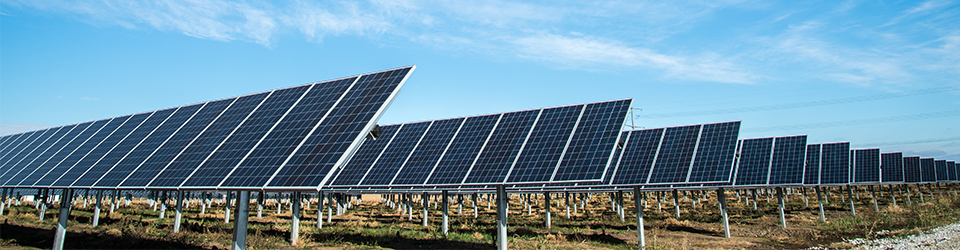
We’ve signed an agreement with Mino Giizis (Mee-noh Gee-sis) Solar Ltd. to build and operate a new 100-megawatt (MW) solar facility within the Rural Municipality of Lajord, southeast of Regina.
The project is co-owned 50% each by Neoen Holding Canada Inc. and Anishinabek Power Alliance Ltd. Anishinabek Power Alliance is made up of four First Nations Partners: Cote First Nation 366, The Key First Nation, Kinistin Saulteaux Nation, and Zagime Anishinabek.
Why Solar?
We’re investing in the province’s power system to ensure reliable and affordable power for our customers, while also supporting our growing province. Wind and solar facilities are cost-effective additions to our power supply mix and don’t emit greenhouse gases while generating power.
Learn more about solar power and how it works.
Our Progress So Far
First Nations Power Authority (FNPA) held a competitive procurement process to build, own and operate a 100-MW solar project in south central Saskatchewan. FNPA selected the Mino Giizis project as the top proposal in that competition.
We’ve signed a 25-year Power Purchase Agreement (PPA) with Mino Giizis Solar Ltd. to purchase the power produced at the facility.
Mino Giizis will be responsible to engage with Rightsholders, municipal authorities and other key stakeholders about the project. They’ve also committed to follow all our requirements and local, provincial, and federal laws as they plan, develop, finance, construct, own, operate, maintain, and decommission the facility, and remediate the site after its operation ends.
Respecting the Local Environment
Mino Giizis Solar will be responsible to engage with the Ministry of Environment and other regulatory agencies to ensure all environmental requirements are being met.
Project Benefits
This project is another example of our commitment to economic reconciliation by supporting Indigenous communities to play an important role in shaping Saskatchewan's power future.
For all current and future wind and solar competitions, we’ve included a requirement that proposals must have at least 10% Indigenous ownership.

View the map of all our projects underway.